What Happens After the Purchase: The Forgotten Science of Chocolate Storage
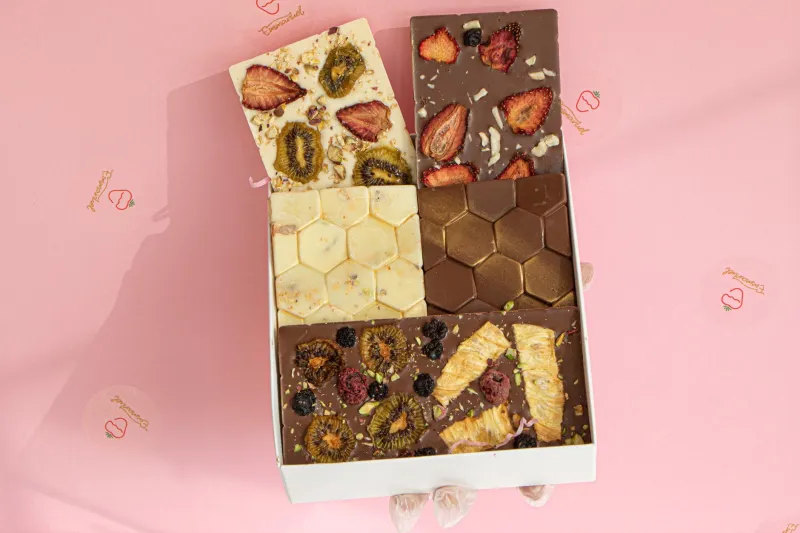
There is a particular kind of disappointment familiar to the attentive chocolate enthusiast: the bar purchased with great anticipation, set aside for a special occasion, and retrieved weeks later to reveal something altogether different from what was promised. The aroma has flattened. The snap has softened. A faint, waxy note has crept in where there was once brightness and complexity. Nothing was done incorrectly, per se. The bar was simply left to the mercy of its environment.
In the world of fine wine, the conditions of storage are treated as inseparable from the quality of the product itself. Temperature-controlled cellars, humidity monitoring, and strict protocols around light exposure are considered elementary responsibilities of the serious collector. Yet in the realm of artisanal chocolate—a product whose aromatic complexity rivals that of any Grand Cru—storage is almost universally an afterthought. For those who invest meaningfully in craft bars from small-batch American producers, this oversight carries real consequences.
The Chemistry of Deterioration
Chocolate is, at its core, an extraordinarily volatile matrix of fats, aromatic compounds, and crystalline structures. The cocoa butter that gives fine chocolate its characteristic melt and sheen exists in multiple polymorphic forms, with the desirable Form V crystal—achieved through precise tempering—being both the most pleasing to the palate and the most susceptible to environmental disruption.
When ambient temperatures fluctuate, even modestly, cocoa butter begins to migrate toward the surface of the bar. The result is bloom: a grayish, matte discoloration that, while not harmful, signals a fundamental restructuring of the bar's internal architecture. Texture becomes grainy. The clean snap that defines a well-tempered bar gives way to something crumbling and inelegant. Flavor compounds, many of which are bound within the fat matrix, are displaced in the process.
Humidity introduces a separate category of damage. Moisture acts as a solvent for the sugars present in chocolate, drawing them to the surface and producing a phenomenon known as sugar bloom—a rough, crystalline texture that fundamentally alters the tasting experience. In a bar where the confectioner has worked to achieve a precise balance of sweetness and acidity, surface sugar crystallization can overwhelm the more delicate aromatic notes entirely.
Light, particularly ultraviolet exposure, accelerates the oxidation of cocoa butter and the degradation of volatile flavor compounds. The fruity esters and floral aldehydes that distinguish a high-quality origin bar from an industrial product are among the first casualties of prolonged light exposure. What remains is a flatter, more generic chocolate character—pleasant, perhaps, but stripped of the specificity that justified its purchase.
The Collector's Discipline
A quiet but growing community of American chocolate enthusiasts has begun applying the vocabulary and methodology of wine cellaring to their collections. Dedicated storage units calibrated to temperatures between 60 and 65 degrees Fahrenheit, relative humidity maintained between 50 and 65 percent, and complete absence of light exposure are becoming the standard among those who treat their bars as investments in flavor rather than impulse purchases.
The comparison to wine is instructive in another respect: some chocolates, particularly those made from high-quality fermented cacao with minimal processing, do appear to evolve positively under controlled aging conditions. Harsh tannins soften. Certain fruity notes deepen and integrate. The overall profile of the bar can shift from something angular and assertive in its youth to something more harmonious and contemplative with time—provided the storage environment does not introduce competing variables.
This is not a universal phenomenon, and it is worth stating plainly that many artisanal bars are optimized for consumption within a defined window rather than extended aging. The distinction matters, and it is one that the most thoughtful producers are beginning to communicate directly.
Makers Who Are Paying Attention
A number of American craft chocolate producers have begun treating storage guidance not as fine-print boilerplate but as a genuine extension of the tasting experience they have worked to create. Packaging now sometimes includes specific temperature ranges, recommended consumption windows, and even notes on how the flavor profile might shift over time under ideal conditions.
This transparency reflects a broader maturation of the American craft chocolate movement—one in which producers are increasingly unwilling to cede control of the experience at the point of sale. If a confectioner has spent months sourcing cacao, refining fermentation protocols, and dialing in roast profiles to produce a specific flavor outcome, the logic of providing storage guidance is self-evident. The bar that arrives in the consumer's hands is not a finished, static object. It is, in a meaningful sense, still in process.
Some producers have gone further, offering bars that are explicitly intended for aging—released with tasting notes that describe both the current profile and an anticipated evolution over six to eighteen months. The concept borrows directly from the wine trade's notion of a drinking window, and it invites the enthusiast to engage with chocolate as something that rewards patience and attentiveness rather than immediate consumption.
Practical Implications for the Enthusiast
For those who purchase artisanal chocolate with genuine intention, a few principles translate immediately into improved outcomes.
Avoid refrigeration as a default. While a refrigerator will suppress temperature extremes, it introduces humidity fluctuations each time the door is opened and can expose chocolate to ambient food odors that penetrate even well-sealed packaging. If refrigeration is necessary—during summer months, for instance—chocolate should be sealed in an airtight container and allowed to return to room temperature before opening, to prevent condensation from forming on the surface.
Seek thermal stability over absolute coldness. A consistently cool environment is preferable to one that swings between extremes. A dedicated wine cooler, a basement with stable temperatures, or even a consistently cool interior room will outperform a kitchen counter that cycles between warmth during cooking and cool during the night.
Minimize light exposure. Opaque storage containers or boxes kept in dark spaces provide meaningful protection for bars that will not be consumed immediately. This is particularly relevant for chocolates packaged in clear or translucent wrappers.
Respect the maker's guidance. As producers increasingly include storage recommendations with their bars, treat this information as part of the product itself. A confectioner who specifies a consumption window of three months is communicating something meaningful about the stability of the flavor profile they have constructed.
The Larger Argument
The conversation around chocolate storage is, ultimately, a conversation about respect—for the craft involved in producing a great bar, for the cacao farmers whose work precedes that craft, and for one's own investment in seeking out something genuinely exceptional. The American artisanal chocolate movement has spent the better part of two decades building a case that chocolate deserves to be taken seriously as a gastronomic subject. Extending that seriousness to the conditions in which chocolate is kept after purchase is a logical and necessary next step.
A bar allowed to deteriorate through neglect is a small loss in isolation. Accumulated across a culture of enthusiasts who have not yet developed the vocabulary or the habits of proper stewardship, it represents something more significant: a systemic failure to honor the full potential of what American craft chocolate has become.