Je Me Clate Artisanal Indulgence, Crafted for the Connoisseur

Je Me Clate

Artisanal Indulgence, Crafted for the Connoisseur

Latest Articles

The Dedicated Chamber: How Serious Chocolate Enthusiasts Are Designing Spaces That Transform Storage Into Ceremony
Craft & Technique

The Dedicated Chamber: How Serious Chocolate Enthusiasts Are Designing Spaces That Transform Storage Into Ceremony

Among the most devoted American craft chocolate enthusiasts, the question of where to keep a bar has become as consequential as the question of which bar to choose. A quiet movement of collectors, makers, and connoisseurs is designing bespoke storage environments—humidity-controlled hutches, temperature-regulated cabinets, and curated display cases—that reframe preservation as an act of reverence. These are not mere pantry solutions; they are the physical expression of a philosophy.
Quiet Excellence Over Mythology: A Reckoning With Craft Chocolate's Storytelling Excess
Makers & Innovators

Quiet Excellence Over Mythology: A Reckoning With Craft Chocolate's Storytelling Excess

Among the most serious American food enthusiasts, a particular fatigue has set in—not with craft chocolate itself, but with the elaborate apparatus of narrative, scarcity, and origin mythology that has come to surround it. The industry's most critical consumers are asking a question that the market has been slow to answer: when the story is stripped away, is the bar good enough to stand on its own? The answer, more often than the industry would prefer to admit, is complicated.

Lost in Description: Why the Words American Chocolatiers Use Are Failing the Bars They Make
Makers & Innovators

Lost in Description: Why the Words American Chocolatiers Use Are Failing the Bars They Make

The American craft chocolate industry has produced bars of extraordinary complexity, yet the language used to describe them has not kept pace. From "notes of dried cherry" to "hints of tobacco," the vocabulary of chocolate description has calcified into a set of familiar phrases that illuminate very little and often mislead. A closer examination reveals how this linguistic shortfall is limiting both consumer education and the industry's own understanding of what it produces.

The Final Course Reconsidered: How Fine Dining Is Elevating Craft Chocolate to a Centerpiece Finale
Makers & Innovators

The Final Course Reconsidered: How Fine Dining Is Elevating Craft Chocolate to a Centerpiece Finale

Across America's most celebrated dining rooms, a quiet but consequential shift is underway. The elaborate plated dessert—that long-reigning monument to pastry artistry—is ceding ground to something more austere and, to many palates, more satisfying: a carefully curated selection of craft chocolate, presented with the ceremony and intentionality once reserved for the wine program.

The Geography of Your Palate: How Science Is Redefining the Way We Experience Craft Chocolate
Craft & Technique

The Geography of Your Palate: How Science Is Redefining the Way We Experience Craft Chocolate

Emerging research in sensory science is dismantling the comfortable fiction that all palates receive chocolate equally. From tongue topography to salivary enzyme profiles, the biological architecture of individual tasters varies enormously—and a forward-looking cohort of American chocolatiers is beginning to design bars that account for these differences with extraordinary precision.

Harvests Worth Keeping: The American Chocolatiers Cataloging Their Bars by Year
Makers & Innovators

Harvests Worth Keeping: The American Chocolatiers Cataloging Their Bars by Year

A quiet but consequential movement is taking hold among American craft chocolatiers: the deliberate dating, cataloging, and cellaring of bars by production year, drawing directly from the vocabulary and discipline of fine winemaking. What began as an experiment among a handful of obsessive makers has matured into a serious inquiry into chocolate's untapped capacity for temporal complexity.

Slow Alchemy: What Happens When Chocolatiers Stop Rushing the Finish Line
Craft & Technique

Slow Alchemy: What Happens When Chocolatiers Stop Rushing the Finish Line

A growing cohort of American chocolatiers is deliberately cellaring finished bars for months or years, allowing chemical transformations to deepen and redirect flavor in ways that fresh consumption never permits. The practice borrows from viticulture and fine cheese aging, yet demands its own set of disciplines entirely. For the patient enthusiast, the results can be revelatory.

A Bar in Motion: The Quiet Transformation Unfolding Inside Every Piece of Craft Chocolate
Craft & Technique

A Bar in Motion: The Quiet Transformation Unfolding Inside Every Piece of Craft Chocolate

A craft chocolate bar purchased today is not the same object it will be in six weeks. Beneath its glossy surface, a slow and largely invisible chemistry is reshaping flavor compounds, redistributing fats, and altering the very experience the maker intended. The question is whether anyone—maker or consumer—is paying sufficient attention.

The Annotated Bar: How American Craft Chocolatiers Are Building a Science of Sensory Memory
Craft & Technique

The Annotated Bar: How American Craft Chocolatiers Are Building a Science of Sensory Memory

A growing cohort of American chocolatiers is doing something unusual: opening bars they made years ago and writing down what they find. The practice of systematic flavor documentation is transforming how the industry understands chocolate's long arc of development, and inviting devoted enthusiasts to reconsider what it means for a confection to be finished.

The Architecture of Patience: How Controlled Environments Are Becoming the New Frontier of American Craft Chocolate
Craft & Technique

The Architecture of Patience: How Controlled Environments Are Becoming the New Frontier of American Craft Chocolate

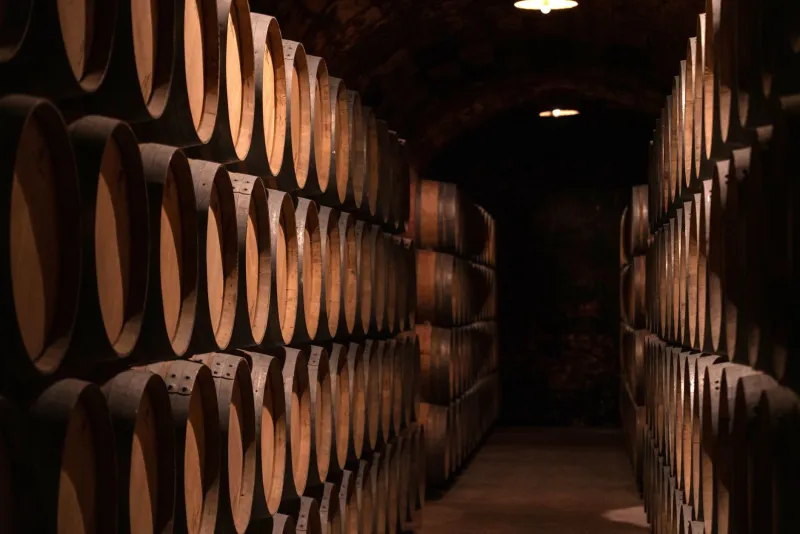
In cellars, climate chambers, and purpose-built vaults across the country, a small but growing cohort of American chocolatiers is treating time as an active ingredient rather than an inconvenience. Through meticulous manipulation of humidity, temperature, and light, they are coaxing flavor transformations from finished chocolate that no amount of roasting or conching can replicate. The results are quietly rewriting what American craft chocolate is capable of becoming.

What the Bean Cannot Tell You: The Quiet Alchemy of Chocolate Aged Beyond Its Harvest
Craft & Technique

What the Bean Cannot Tell You: The Quiet Alchemy of Chocolate Aged Beyond Its Harvest

Single-origin claims dominate the craft chocolate conversation, yet a quietly growing cohort of American chocolatiers insists the most transformative flavor work happens not in the cacao grove, but in the months and years that follow production. Controlled aging, molecular oxidation, and the patient passage of time are rewriting what a finished bar is capable of becoming.

The Fleeting Peak: How American Craft Chocolatiers Are Chasing Perfection Before It Disappears
Craft & Technique

The Fleeting Peak: How American Craft Chocolatiers Are Chasing Perfection Before It Disappears

Every craft chocolate bar exists within a narrow corridor of time — a window during which its flavors coalesce into something extraordinary before slowly retreating into flatness. American artisans are now applying a blend of scientific rigor and hard-won intuition to identify that precise moment, and what they are discovering is reshaping how the most discerning consumers approach the act of tasting.

The Provenance Paradox: How Single-Origin Dogma Is Leaving American Craft Chocolate's Best Work Untold
Craft & Technique

The Provenance Paradox: How Single-Origin Dogma Is Leaving American Craft Chocolate's Best Work Untold

The American craft chocolate movement has elevated traceable cacao origins into a near-sacred marketing language, but this fixation may be obscuring something far more compelling. Behind the estate names and GPS coordinates lies a body of technical artistry and deliberate blending practice that rarely earns the spotlight it deserves. This piece argues that the richest chapter in American chocolate is being written not in the field, but in the workshop.

Your Body Is the Variable: The Biological Clock Behind Every Chocolate Experience
Craft & Technique

Your Body Is the Variable: The Biological Clock Behind Every Chocolate Experience

The bar has not changed, but you have. Sensory scientists are revealing that chocolate perception is as much a function of the body's internal rhythms as it is of roast, fermentation, or origin. Understanding when you eat may be as important as understanding what you eat.

When the Season Changes, So Does Your Palate: The Temporal Dimension of Craft Chocolate
Craft & Technique

When the Season Changes, So Does Your Palate: The Temporal Dimension of Craft Chocolate

The craft chocolate conversation has long privileged geography over time, yet the season in which you open a bar may shape your experience of it as profoundly as the latitude from which its cacao was harvested. Exploring the intersection of atmospheric conditions, human physiology, and confectionery formulation reveals a dimension of chocolate appreciation that American connoisseurs have been largely content to ignore. The question is no longer simply where your chocolate comes from — but when y

Still Becoming: The Case for Treating Your Chocolate Bar as a Living Thing
Craft & Technique

Still Becoming: The Case for Treating Your Chocolate Bar as a Living Thing

A sealed chocolate bar does not simply wait on your shelf—it continues to transform, sometimes for years, through chemical processes that rival the complexity of wine cellaring. For the American connoisseur willing to exercise patience, deliberate aging may unlock dimensions of flavor that no amount of careful sourcing or masterful roasting can manufacture at the point of production.

What Happens After the Purchase: The Forgotten Science of Chocolate Storage
Craft & Technique

What Happens After the Purchase: The Forgotten Science of Chocolate Storage

A carefully sourced bar of artisanal chocolate begins transforming the moment it leaves the maker's hands—and not always for the better. Understanding how temperature, humidity, and light conspire to alter flavor compounds is becoming an essential discipline for serious enthusiasts. We examine the emerging culture of deliberate chocolate cellaring and what it reveals about the nature of great confection.

Craft & Technique

The Sixth Sense of Chocolate: Why Mouthfeel May Matter More Than Flavor

American craft chocolatiers have long competed on flavor complexity and origin provenance, yet a quieter revolution is reshaping what it means to experience fine chocolate. A growing cohort of artisanal makers is turning its attention to mouthfeel—the tactile dimension that determines whether a bar is merely tasted or truly felt. Through precise manipulation of cocoa butter ratios, particle size, and tempering protocols, these producers are arguing that texture is not a supporting actor but the

Bitter Is Better: The American Chocolatiers Dismantling a Century of Sugar Conditioning
Makers & Innovators

Bitter Is Better: The American Chocolatiers Dismantling a Century of Sugar Conditioning

A new generation of American chocolate makers is deliberately courting bitterness, engineering high-cacao bars and radical low-sugar formulations designed to rewire how the domestic palate perceives pleasure. Far from a niche provocation, this movement carries genuine philosophical weight — challenging the industrial confectionery complex that has, for decades, equated sweetness with quality. The implications for how Americans understand and consume chocolate may prove irreversible.

The Origin Illusion: How Single-Source Cacao Storytelling Has Narrowed the American Craft Chocolate Palate
Makers & Innovators

The Origin Illusion: How Single-Source Cacao Storytelling Has Narrowed the American Craft Chocolate Palate

The romance of provenance has long been a cornerstone of American craft chocolate's identity — but at what cost to genuine flavor discovery? A growing cohort of makers is quietly questioning whether origin mystique has become a marketing convenience that crowds out honest sensory exploration. This is an examination of what happens when the story of where overshadows the truth of what.