The Architecture of Patience: How Controlled Environments Are Becoming the New Frontier of American Craft Chocolate
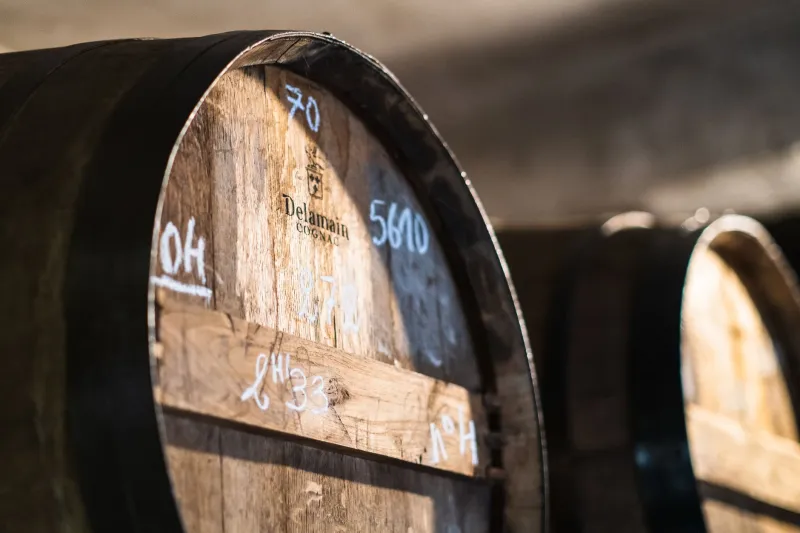
There is a moment, familiar to any devoted collector of aged spirits or cellared wine, when a product stops merely existing and begins to evolve. The liquid in the bottle is no longer static; it is in conversation with its environment, negotiating compounds, shedding harshness, and arriving — slowly, on its own terms — at something more complex than it was at the outset. American craft chocolate has, until very recently, been denied that conversation entirely. The prevailing assumption has been that a chocolate bar is finished the moment it leaves the tempering table. A growing number of makers are now challenging that assumption with considerable rigor.
Across workshops in Vermont, Northern California, and the Pacific Northwest, chocolatiers are constructing what might be called the architecture of patience — physical environments designed not to preserve chocolate in amber, but to guide its transformation over months and, in select cases, years. The practice borrows vocabulary from oenology and the aging of fine spirits, yet it operates according to its own logic, one still being written in real time.
What Happens Inside a Bar Over Time
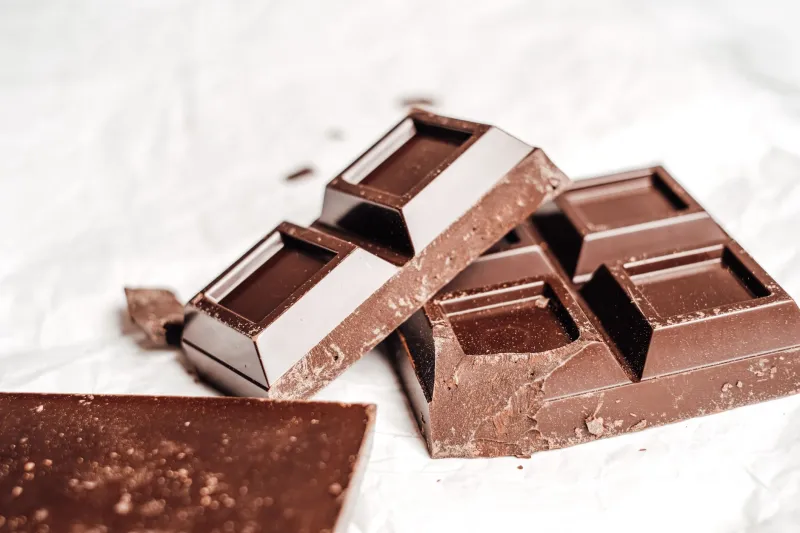
To understand why controlled aging matters, one must first appreciate what chocolate actually is at the molecular level. A finished bar is a suspension of cocoa solids, cocoa butter, and — depending on the maker's philosophy — sugar and milk solids, held in precise crystalline alignment through tempering. That structure is not inert. Volatile aromatic compounds continue to migrate and interact. Residual moisture, even in trace quantities, exerts influence. Fatty acids within the cocoa butter undergo slow oxidative processes that, under the wrong conditions, produce rancidity, and under carefully managed ones, produce depth.
The distinction between degradation and development is, in practical terms, a matter of environmental precision. Temperature is the most consequential variable. Fluctuations — even modest ones — encourage fat bloom, the cosmetically unpleasant but chemically interesting migration of cocoa butter crystals to the surface. Chocolatiers who age intentionally do not seek to eliminate fluctuation entirely; rather, they engineer its rhythm. A slow, controlled diurnal cycle — perhaps a two-degree variance over a twenty-four-hour period — can encourage the redistribution of aromatic esters in ways that static cold storage never would.
Humidity as Instrument, Not Hazard
Conventional chocolate wisdom treats humidity as an adversary. The fear of sugar bloom — the white, grainy surface discoloration caused by moisture dissolving and recrystallizing surface sugars — has made most producers obsessive about keeping relative humidity well below fifty percent. Aging-focused chocolatiers are beginning to interrogate that orthodoxy.
Some practitioners are experimenting with what might be described as staged humidity protocols: an initial period at low relative humidity to stabilize the bar's crystalline structure, followed by a gradual, monitored increase in ambient moisture to encourage specific aromatic developments. The science here is genuinely frontier territory. There are no established standards, no industry certifications, and no consensus on optimal parameters. What exists instead is a body of empirical observation, accumulated through careful sensory documentation and, occasionally, costly failures.
One approach gaining traction involves the use of materials borrowed from cigar humidification — Spanish cedar shelving, calibrated Boveda humidity packets — adapted to the specific water activity requirements of chocolate. The goal is not to introduce moisture to the product itself, but to create an atmospheric envelope that slows certain chemical processes while accelerating others.
Light, the Silent Variable
If temperature and humidity receive the most attention in aging discussions, light remains the most underappreciated factor. Ultraviolet exposure accelerates lipid oxidation and degrades certain volatile aromatic compounds with particular efficiency. The implications for long-aged chocolate are significant: a bar stored in even moderate ambient light over a twelve-month period will arrive at a fundamentally different sensory destination than one kept in complete darkness.
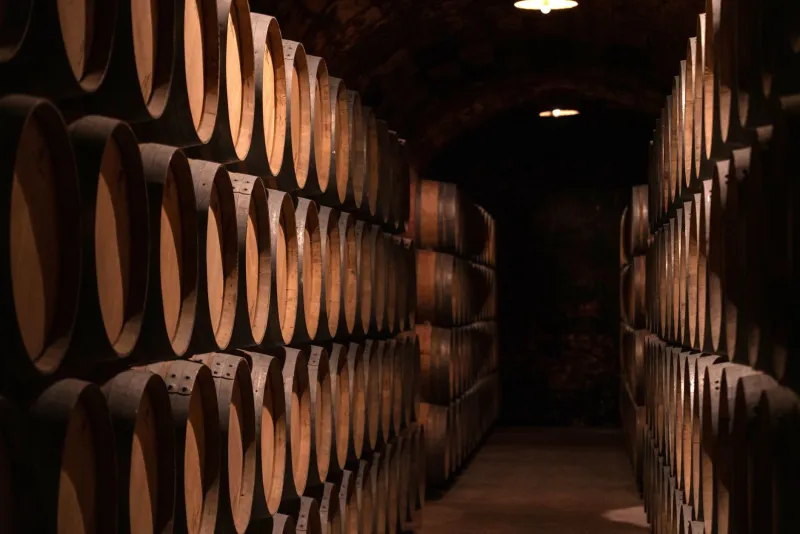
Several makers have responded by constructing dedicated aging spaces with zero natural light penetration — essentially wine cellars for chocolate, fitted with amber-spectrum artificial lighting used only during inspection intervals. The sensory argument for this investment is compelling. Chocolatiers who have conducted side-by-side comparisons of light-exposed and dark-aged bars from identical production batches report measurable differences in aromatic brightness, with dark-aged examples retaining more of the high-register floral and fruity notes that light exposure tends to flatten over time.
The Sensory Vocabulary of Aged Chocolate
Describing what actually changes in a well-aged bar requires a sensory vocabulary that the American craft chocolate community is still developing. Wine has centuries of tasting language to draw upon; chocolate aging, as a deliberate practice, is perhaps a decade old in any meaningful sense.
What tasters consistently report across different makers and cacao origins is a phenomenon that might be called integration — the softening of sharp contrasts between a bar's component flavor notes into something more unified and less immediately legible. A bar that presented, at production, as a sequence of distinct impressions — bright acidity, then bitterness, then a lingering fruit finish — may, after eighteen months of controlled aging, present as a single, sustained chord. Neither approach is superior in any absolute sense; they are simply different aesthetic outcomes, each with its own devoted audience.
Beyond integration, aged bars frequently develop what experienced tasters describe as tertiary characteristics: earthy, leathery, or tobacco-adjacent notes that were entirely absent at production and that emerge through the slow chemical processes of maturation. These are the flavors that most directly parallel the aged qualities prized in fine wine and spirits, and they are, for a certain kind of discerning chocolate enthusiast, profoundly compelling.
The Question of Intentionality
What separates the chocolatiers working seriously in this space from those who have simply discovered an old bar at the back of a drawer is intentionality — the deliberate design of conditions in service of a specific sensory vision. The most sophisticated practitioners begin with the end in mind, selecting cacao origins based on their aging potential rather than their immediate appeal, adjusting roast profiles to leave more volatile compound precursors available for slow development, and calibrating conching times with post-production transformation in mind.
This represents a fundamental shift in how craft chocolate is conceptualized. The bar is no longer a finished object at the moment of production; it is the beginning of a process. The chocolatier's role extends forward in time, beyond the workshop and into the carefully managed darkness of the aging chamber.
For the American craft chocolate community, still relatively young by the standards of European confectionery traditions, this represents both a challenge and an extraordinary opportunity. The tools exist. The scientific framework, while incomplete, is developing. What remains is the willingness to wait — to trust that the most interesting flavors are not always the ones available immediately, and that some of the finest things a bar can become require only time, darkness, and the disciplined application of patience as craft.